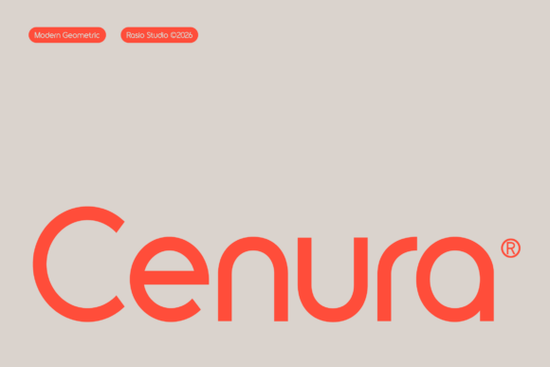
If you’re looking for a clean, modern font that feels both precise and effortlessly stylish, Cenura Font might be exactly what your next project needs. It’s not flashy or overly decorative instead, it leans into subtle geometry, with smooth circular letterforms balanced by crisp vertical lines. Whether you’re designing logos for startups, packaging for premium products, or signage for architectural firms, this sans-serif typeface holds its own without shouting for attention.
What makes Cenura work so well in minimalist designs?
The magic of Cenura lies in how it handles space. Each character is built with uniform line weight and carefully tuned kerning, so letters sit comfortably next to each other without crowding or awkward gaps. That means even when you place text over solid backgrounds or sparse layouts, it still looks intentional and polished. You don’t have to fight with spacing adjustments the font does most of the heavy lifting for you.
It’s especially useful if you’re creating:
- Branding materials for tech or design-forward companies
- App interfaces that need to feel modern but readable
- Product labels where clarity and elegance matter
- Stationery or business cards that lean into understated luxury
If you’ve tried fonts like Sugra or Vorn and found them either too playful or too rigid, Cenura sits right in the sweet spot structured but not stiff, modern but not cold.
Who should consider using Cenura Font?
This isn’t a font for vintage posters or hand-lettered quotes. It’s made for creators who want their typography to feel current, calm, and confident. Think print-on-demand sellers crafting sleek apparel tags, small business owners building minimalist websites, or crafters designing modern wall art with clean typography.
Architects and interior designers also love fonts like this because they pair naturally with clean lines, neutral palettes, and open layouts. If your aesthetic leans toward Scandinavian, Japanese minimalism, or industrial chic, Cenura won’t clash it’ll complement.
And if you’ve ever struggled with fonts that look great at large sizes but fall apart in smaller applications, you’ll appreciate how legible Cenura stays across different scales. It doesn’t lose its rhythm when scaled down for footers or product tags.
How does it compare to other geometric sans-serifs?
There are plenty of modern sans-serifs out there, but many sacrifice readability for trendiness. Cenura avoids that trap. Its circular tracking (the way curves connect between letters) feels fluid without being sloppy, and its vertical stems keep everything grounded. Compare that to something like Ocean Beach, which leans more casual, or Cenura’s own siblings in the geometric family you’ll notice how this one holds a quieter, more professional tone.
You can see how it performs in real projects by checking out Cenura on Creative Fabrica. The previews show how it behaves in headlines, body text, and layered compositions helpful if you’re trying to visualize it in your own work.
Any tips for pairing it with other fonts?
Cenura pairs beautifully with simple serif fonts for contrast think thin, high-contrast serifs like Tiempos or Lyon. For all-sans combinations, try pairing it with a slightly more humanist sans (like Avenir Next or Inter) to soften the geometry without losing cohesion.
Avoid pairing it with anything overly decorative or script-heavy unless you’re intentionally going for tension. This font thrives in harmony, not chaos.
Quick checklist before you download:
- Check your use case Is your project modern, clean, and professional? Cenura fits best there.
- Preview the weights Make sure the available styles (regular, bold, etc.) match your layout needs.
- Test readability Especially if you plan to use it small, make sure it stays clear on your intended medium.
- Pair wisely Choose complementary fonts that enhance, not compete.
If you’re already browsing Creative Fabrica’s collection, take a minute to compare Cenura side-by-side with similar picks like Sugra or Vorn. Sometimes seeing them together helps you pick the right tone for your brand or project.
And remember good typography doesn’t have to be loud. Sometimes, the quietest fonts leave the strongest impression.
Learn More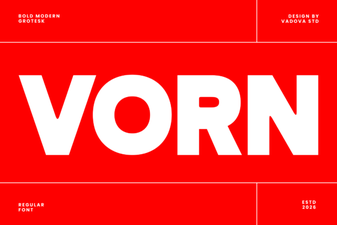 Vorn Font: Clean Typography for Modern Design
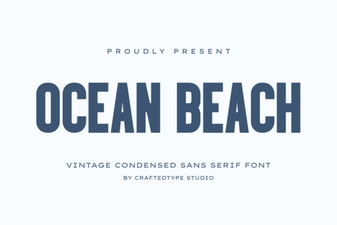 Ocean Beach Font Designs for Creative Projects
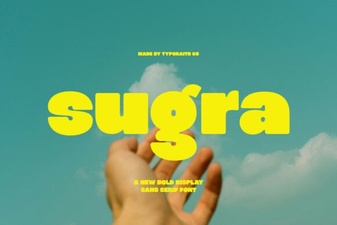 Sugra Font Design for Creative Projects
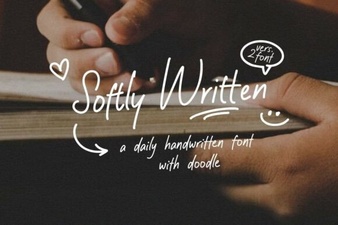 Softly Written Fonts for Gentle Web Design
 Illuminate Your Designs with a Carnival Lights Font
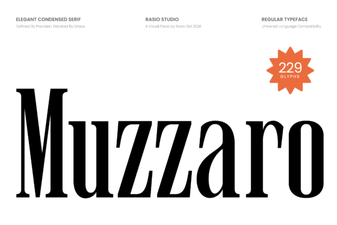 Muzzaro Font: Creative Typography for Modern Designs